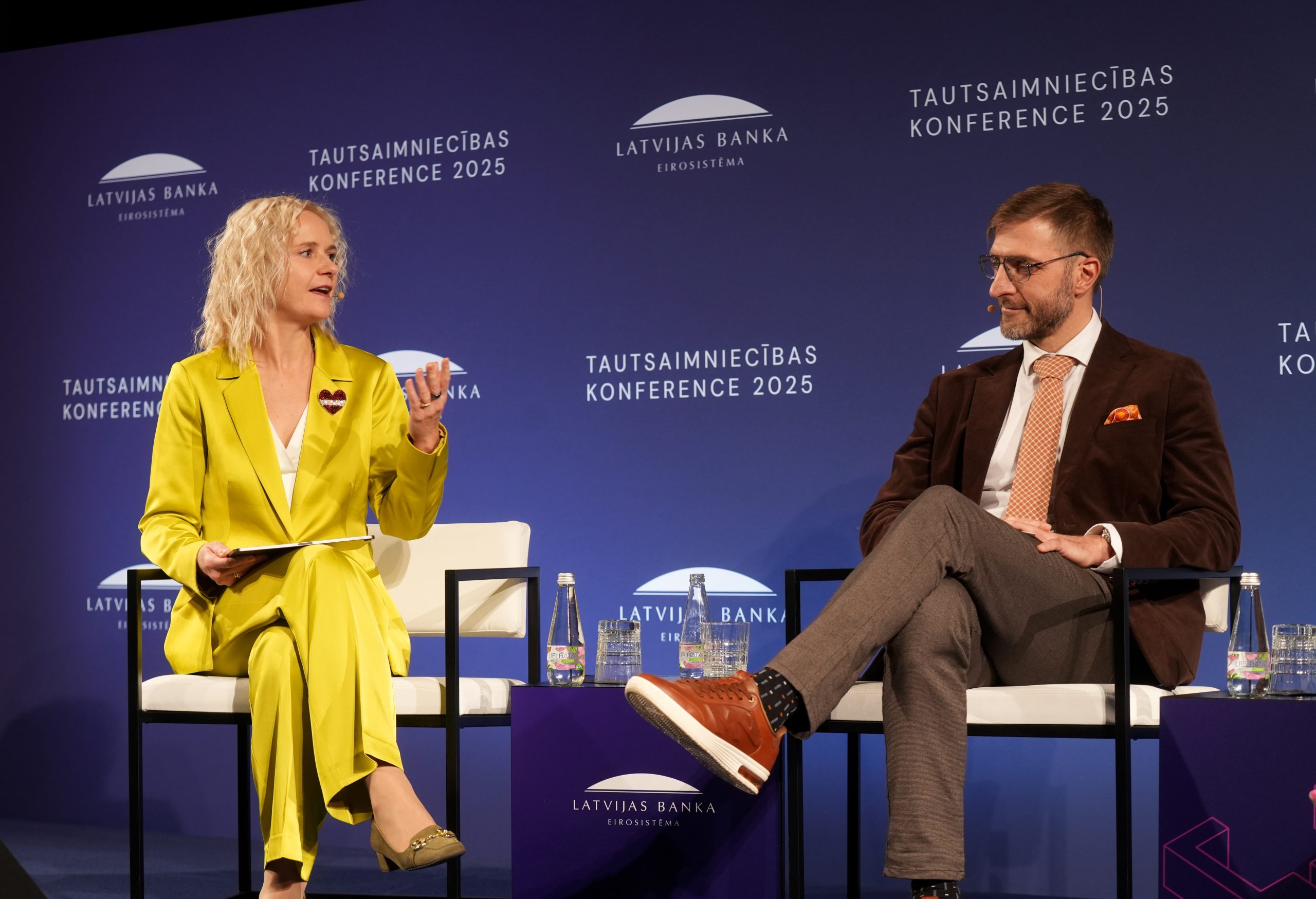
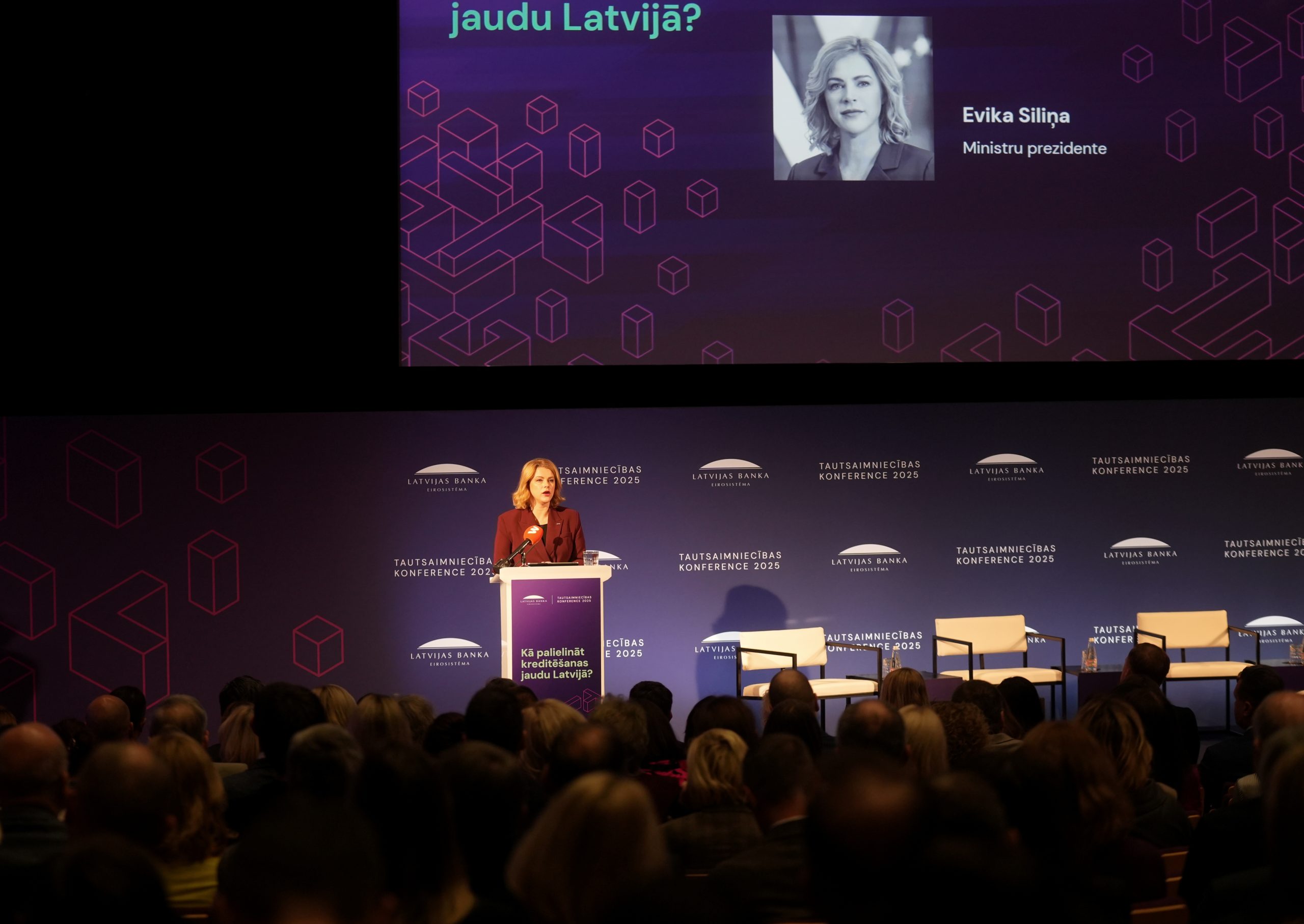
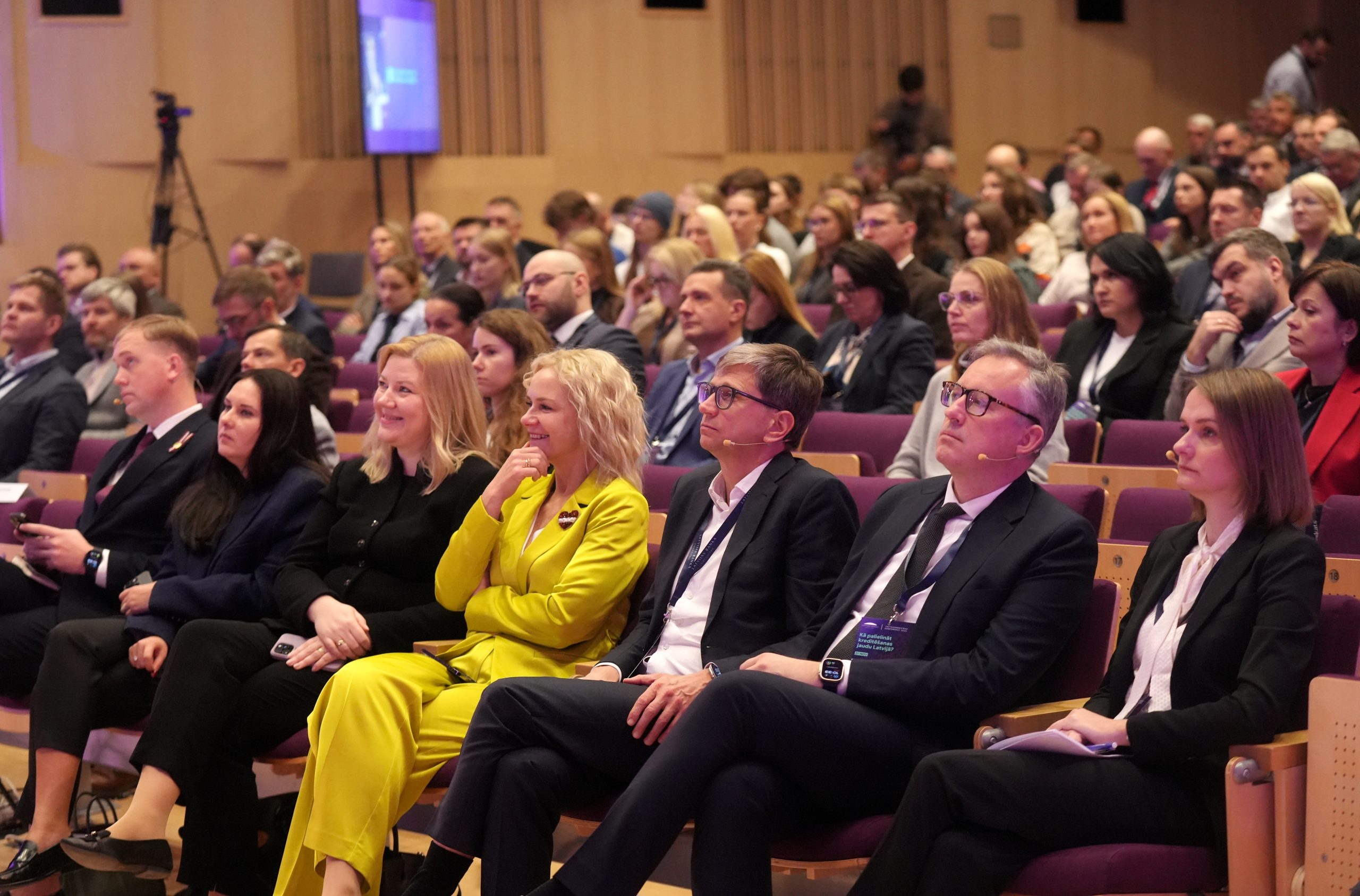
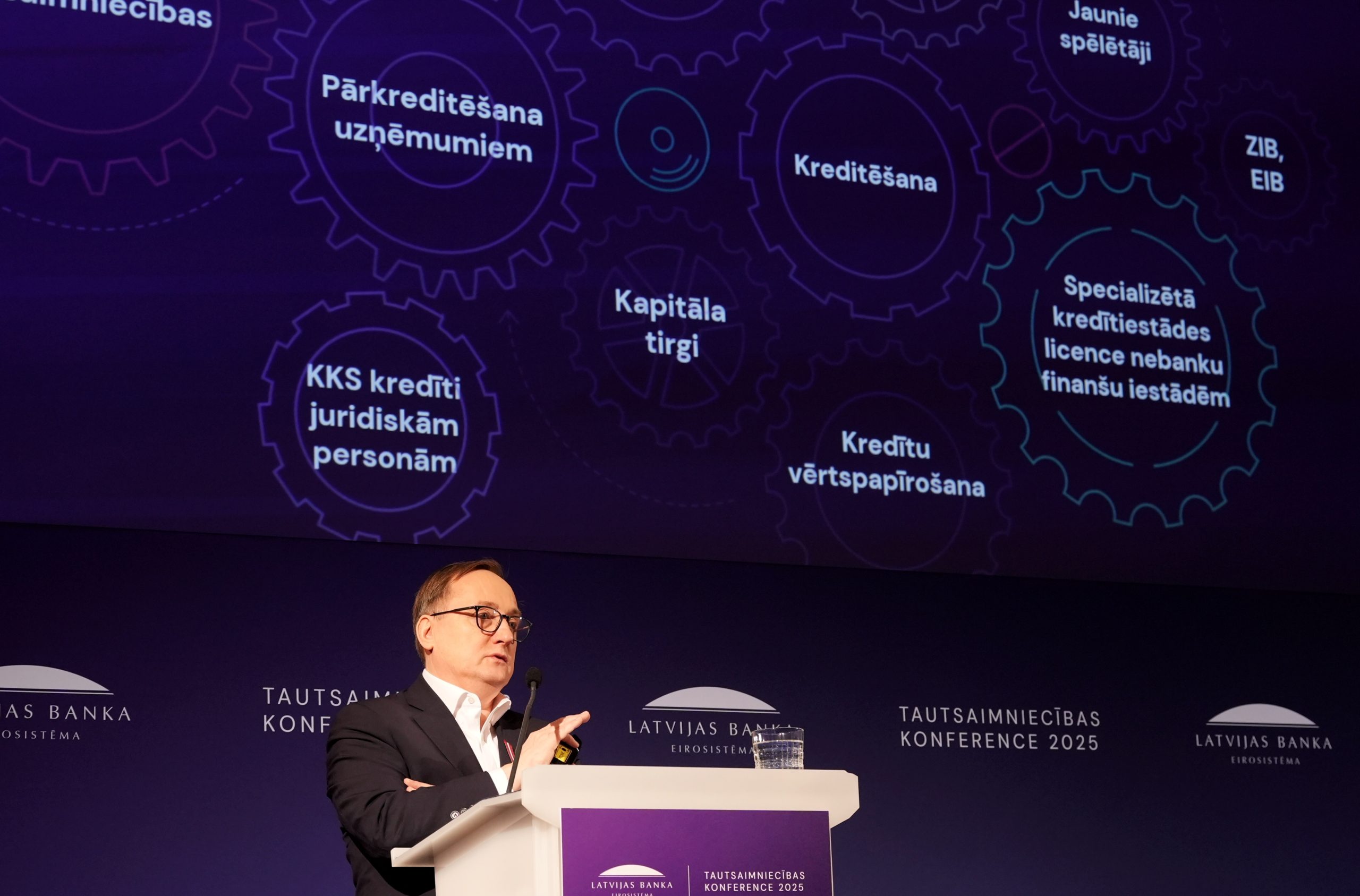
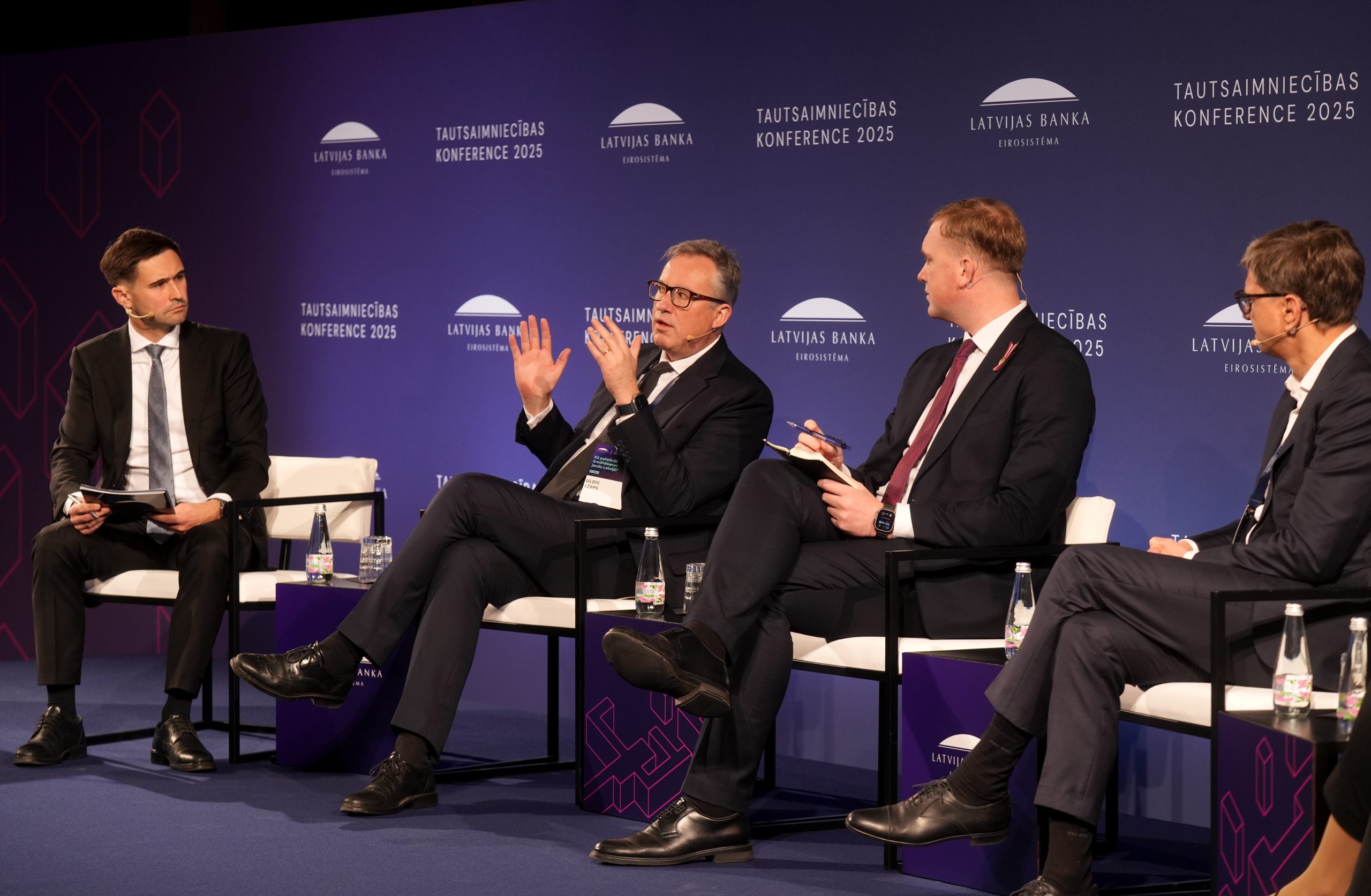
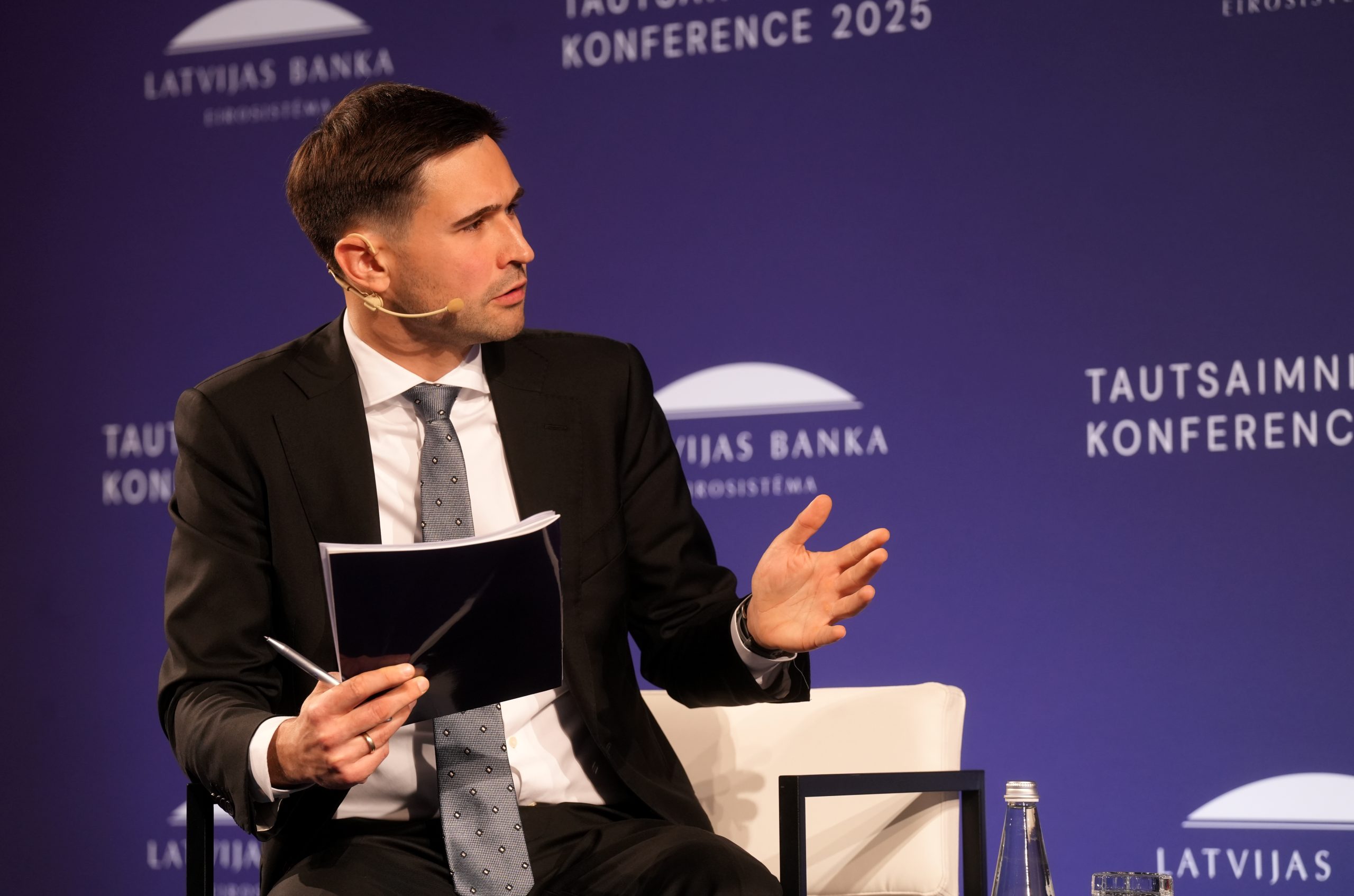
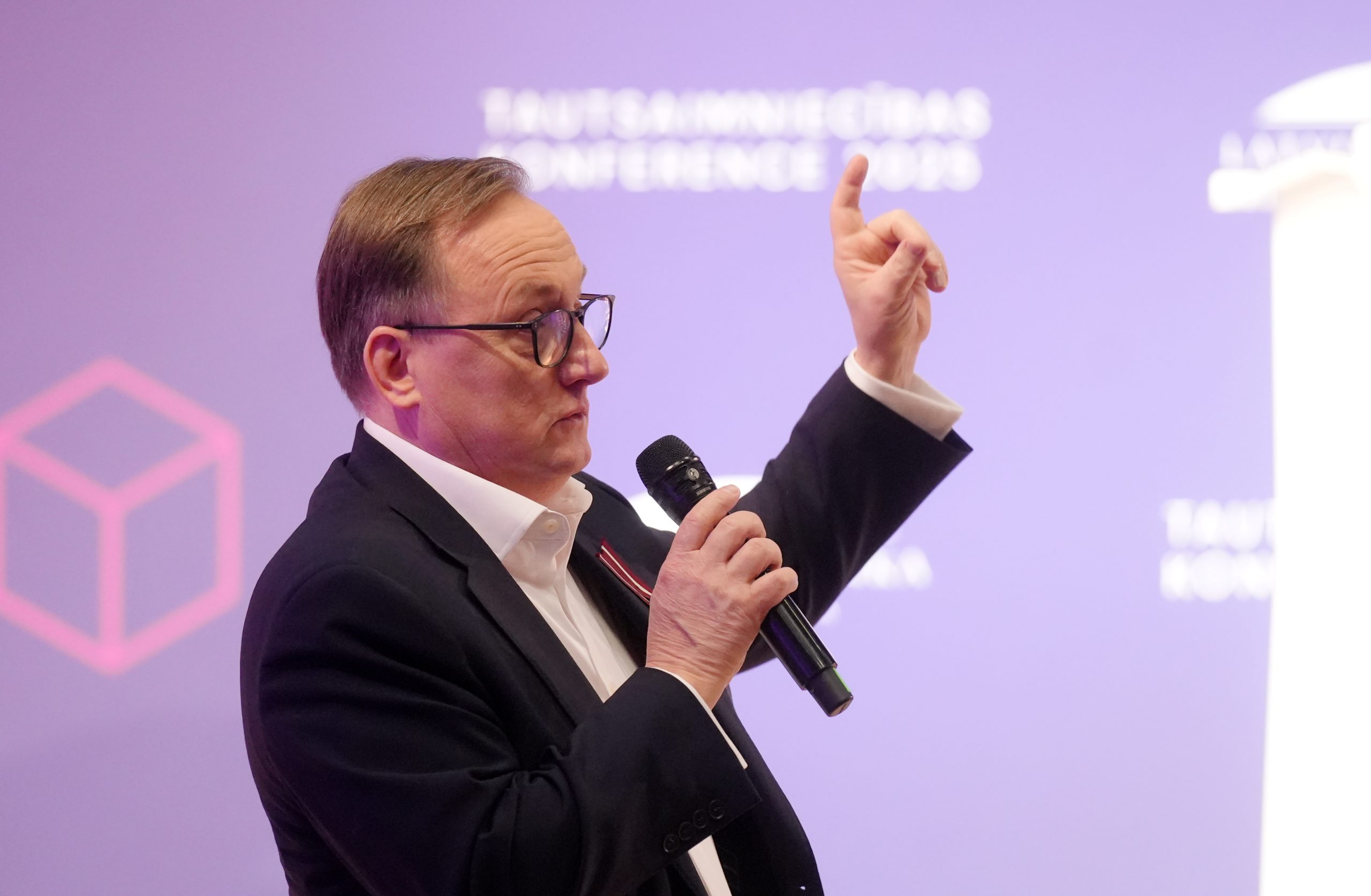
This year, Latvijas Banka’s economic conference will focus on the key economic challenges the euro area is facing in the new geo-economic environment.
Given the high degree of integration across European economies, these challenges have significant implications for the outlook of smaller Member States, including Latvia.
Particular emphasis will be placed on the policy actions needed to address these issues and their potential translation into tangible improvements in the daily lives of European citizens and businesses.
Program
Registration
9.00
Welcome coffee
Opening remarks
10.00
Mārtiņš Kazāks Governor of Latvijas Banka
Key Note
10.15
Joachim Nagel President of the Deutsche Bundesbank
The keynote speech will examine the most pressing challenges facing the German economy and their broader implications for the euro area. These include persistently weak productivity growth, rising risks of de-industrialisation, weakening business dynamism, and the economic impact of increased fiscal spending on defence and public infrastructure.
Panel discussion
10.45
The ensuing panel discussion will broaden the debate to cover the key economic challenges in the euro area, with a strong emphasis on policy responses and practical solutions. It will also connect the experiences of the euro area’s largest economies with the challenges and opportunities in the smaller euro area economies, such as Latvia.
SPEAKERS
Joachim Nagel President of the Deutsche Bundesbank
Jeromin Zettelmeyer Director of Bruegel
Roberts Zīle Member of the Bureau, European Parliament
Klaas Knot Member of the Systemic Risk Council CFA Institute, Distinguished Visiting Fellow Peterson Institute for International Economics
MODERATOR
Andris Strazds Head of General Secretariat at Latvijas Banka
Coffee break
12.00
Key Note
12.30
Maria Luís Albuquerque EU Commissioner for Financial Services and the Savings and Investments Union
The keynote will elaborate on the role of the financial sector in supporting the economic and structural adjustments needed to address the challenges highlighted in the first panel discussion, with particular attention to the practical implications for businesses and households. The address will also illustrate how fragmentation in financial markets shapes the everyday economic decisions made by firms and households.
Panel Discussion
13.00
The subsequent panel discussion will focus on the ongoing and potential initiatives to strengthen the integration of the European financial system. It will link complex financial sector reforms to the everyday experiences of European citizens, illustrating what market fragmentation means in practice for households and small businesses, and how proposed reforms could improve their daily economic lives.
SPEAKERS
Maria Luís Albuquerque EU Commissioner for Financial Services and the Savings and Investments Union
Alfred Kammer Director of the European Department at the International Monetary Fund
Agnès Bénassy-Quéré Deputy Governor of the Banque de France and member of the Bruegel board
TBC
MODERATOR
Kārlis Vilerts Head of the Research Division at Latvijas Banka
Closing remarks
14.05
Mārtiņš Kazāks Governor of Latvijas Banka
Lunch
14.20
Speakers
Mārtiņš Kazāks
Governor of Latvijas Banka
Maria Luís Albuquerque
EU Commissioner for Financial Services and the Savings and Investments Union
Read more
Maria Luís Albuquerque is currently the European Commissioner for Financial Services and the Savings and Investments Union. She is a highly experienced Portuguese economist and politician, best known for her role as Minister of Finance in Portugal from 2013 to 2015.
During her tenure, she played a critical role in managing the country’s financial crisis. Prior to her position as Minister of Finance, Maria Luís Albuquerque held various key positions in the public sector, including Head of Issuing and Markets at the Portuguese Treasury and Debt Management Agency.
After leaving politics, she continued her career in the private sector, contributing her expertise in finance and economic policy to international organisations and advisory roles. Her professional experience reflects a deep understanding of fiscal management, economic reform, and European financial systems.
Jeromin Zettelmeyer
Director of Bruegel
Read more
Jeromin Zettelmeyer has been the Director of Bruegel, the Brussels-based economic policy think tank, since September 2022.
He previously served as Deputy Director of the Strategy and Policy Review Department of the International Monetary Fund (IMF), Senior Fellow at the Peterson Institute for International Economics (2016–2019), Director-General for Economic Policy at the German Federal Ministry for Economic Affairs and Energy (2014–2016), Director of Research and Deputy Chief Economist at the European Bank for Reconstruction and Development (2008–2014), and IMF staff member (1994–2008).
Jeromin Zettelmeyer’s recent work has focused on geopolitical change and reform in the EU, the EU fiscal framework, public debt sustainability, economic security, and international climate finance. Aside from leading Bruegel, Jeromin Zettelmeyer is a Research Fellow of the Centre for Economic Policy Research (CEPR), and a member of the Euro50. He holds an economics degree from the University of Bonn (1990) and a PhD in economics from MIT (1995).
Joachim Nagel
President of the Deutsche Bundesbank
Read more
Joachim Nagel has been President of the Deutsche Bundesbank since January 2022. Prior to this, he had already served in management positions at the Bundesbank between 1999 and 2016, including as a member of the Executive Board from 2010 responsible for the Directorates General Markets, Controlling, and IT.
From 2016 to 2020, he worked for the KfW Group, including as a member of the Executive Board. In 2020, he joined the Bank for International Settlements (BIS) where he became Deputy Head of the Banking Department.
Joachim Nagel studied economics at the University of Karlsruhe where he received a PhD in 1997. He has been an honorary professor at the Baden-Wuerttemberg Cooperative State University (DHBW) since 2017. He also serves as a member of the Governing Council of the ECB, a Governor at the IMF, and a member of the BIS Board of Directors.
Alfred Kammer
Director of the European Department at
the International Monetary Fund
Roberts Zīle
Member of the Bureau, European Parliament
Read more
Mr Roberts Zīle is a prominent Latvian politician, on a national and international level. He studied in the University of Latvia, earning a doctorate in economics. He first entered the political stage in the 1990s, becoming a member of the Latvian Citizen’s Congress. In 1995, he served, as a member of the 5th Saeima and in 1997 Zīle became the Minister of Finance of Latvia. Zīle also held the post of Minister of Transport from 2002 until 2004.
Since 2004, Zīle has been a Member of the European Parliament. Zīle is a member of the ‘European Conservatives and Reformists’ (ECR) political group. He is the leader of the Latvian delegation and a member of the ECR Bureau. Zīle is an active Member in the Transport and Tourism Committee, as well as the Committee of Economic and Monetary Affairs.
In 2021 Mr Zīle was elected as a Vice President of the European Parliament. He is the first Latvian MEP to hold this post, and the first Baltic MEP to represent the Baltic countries in EP Bureau.
Klaas Knot
Member of the Systemic Risk Council CFA
Institute, Distinguished Visiting Fellow Peterson Institute
for International Economics
Read more
Klaas Knot was President of De Nederlandsche Bank from 1 July 2011 to 1 July 2025, a period during which he was also a member of the Governing Council and General Council of the European Central Bank, the European Systemic Risk Board, the International Monetary Fund’s Board of Governors, and the Board of Directors of the Bank for International Settlements. He served as Chair of the G20’s Financial Stability Board from 2 December 2021 to 1 July 2025.
Klaas Knot currently runs his own strategic consultancy firm, KK Economic Advisory, where he advises European and Dutch public authorities on wide-ranging issues such as crisis management, central bank independence, and financing public infrastructure. He is also a frequent speaker at various (inter)national conferences and symposia.
Klaas Knot recently joined the Peterson Institute for International Economics as a Distinguished Visiting Fellow as well as the CFA Institute Systemic Risk Council. Since 2019, he has been an active member of the Group of Thirty, a global advisory body comprised of economic and financial leaders. He has been an honorary professor of Money and Banking at the University of Groningen since 2005, and an honorary professor of Monetary Stability at the University of Amsterdam since 2015.
Since 2004, Zīle has been a Member of the European Parliament. Zīle is a member of the ‘European Conservatives and Reformists’ (ECR) political group. He is the leader of the Latvian delegation and a member of the ECR Bureau. Zīle is an active Member in the Transport and Tourism Committee, as well as the Committee of Economic and Monetary Affairs.
In 2021 Mr Zīle was elected as a Vice President of the European Parliament. He is the first Latvian MEP to hold this post, and the first Baltic MEP to represent the Baltic countries in EP Bureau.
Kārlis Vilerts
Head of the Research Division at Latvijas Banka
Andris Strazds
Head of General Secretariat at Latvijas Banka
Agnès Bénassy-Quéré
Deputy Governor of the Banque
de France and member of the Bruegel board
Read more
Agnès Bénassy-Quéré is Second Deputy Governor at the Banque de France, on leave from the Université Paris 1 Panthéon-Sorbonne and the Paris School of Economics, where she is Professor of Economics.
Before joining the Banque de France, she was Chief Economist at the French Treasury (2020-2023). From 2012 to 2017, she was Deputy Chair of the Conseil d’analyse économique. She was previously Director of CEPII (2006-2012), and has held academic positions at the universities of Paris-Nanterre, Lille and Cergy-Pontoise, as well as at the École Polytechnique.
She has been a member of the Haut Conseil de Stabilité Financière, the Conseil général de la Banque de France, the Conseil des prélèvements obligatoires, the Conseil national de productivité and the Conseil d’analyse économique franco-allemand.
She was also a non-resident researcher at Bruegel and head of the CEPR’s research network on European economic architecture. Her research focuses mainly on the international monetary system and macroeconomic policy in Europe.